A Distress Signal
You are not merely reading; you are being invited into a belief system. The repeated “This is…” constructions function as incantations. The tone assumes you understand the coded references.
You are not merely reading; you are being invited into a belief system. The repeated “This is…” constructions function as incantations. The tone assumes you understand the coded references.
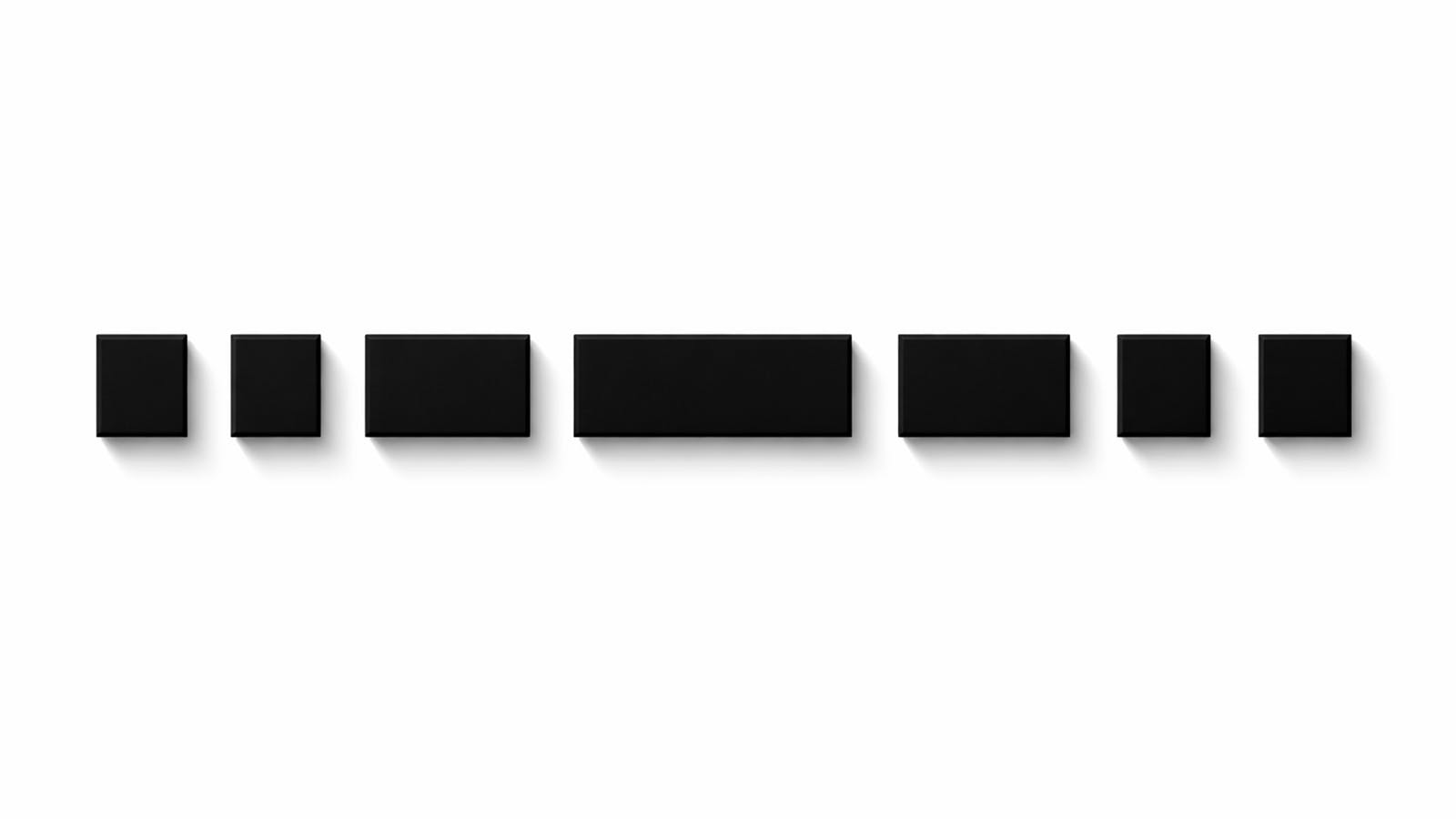
The composition is disciplined, paragraph blocks cascading in controlled intervals. Language itself becomes the decorative surface. The white negative space is significant. The density of language creates a counter-pressure.
But beneath the rhetoric lies something more fragile—a longing for relevance. The repeated emphasis on the “forgotten,” the “lost designers...” There is a tension that oscillates between nostalgia and techno-capitalism. That oscillation produces its psychological charge: an anxiety about disappearance in the algorithmic age. Resale becomes restoration; commerce becomes conservation. The language elevates transaction into transcendence. That inflation is the central metaphor.
The alchemy: reframing consumption as scholarship, not merely describing vintage, but rebranding it as epistemology. In doing so, it collapses distinctions between archive, marketplace, and ideology. It manufactures authority through tone. It converts branding into theory. It suggests that aesthetic discernment is a moral act.
Time is the central medium. The archive is not stable storage but a seance. Decades collapse into each other. The screen becomes a portal rather than a page. You are invited to read through time. Duration is not decay but latency. The past flickers like a distress signal.
S.O.S. is less about composition than about power—who controls narrative, who resurrects value, who gets to call commerce research. You are positioned as both observer and potential accomplice in this restoration project. To buy, or at least agree, is participation.