Artek
Artek does not merely preserve Finnish modernism; it keeps the archive ready for use, spreading its authority through firm furniture, intimate lighting, supple textiles, and accessories made to be handled. Design history is no longer kept at a respectful distance—it becomes an inhabited system that invites you in and rewards prolonged contact.
Birch
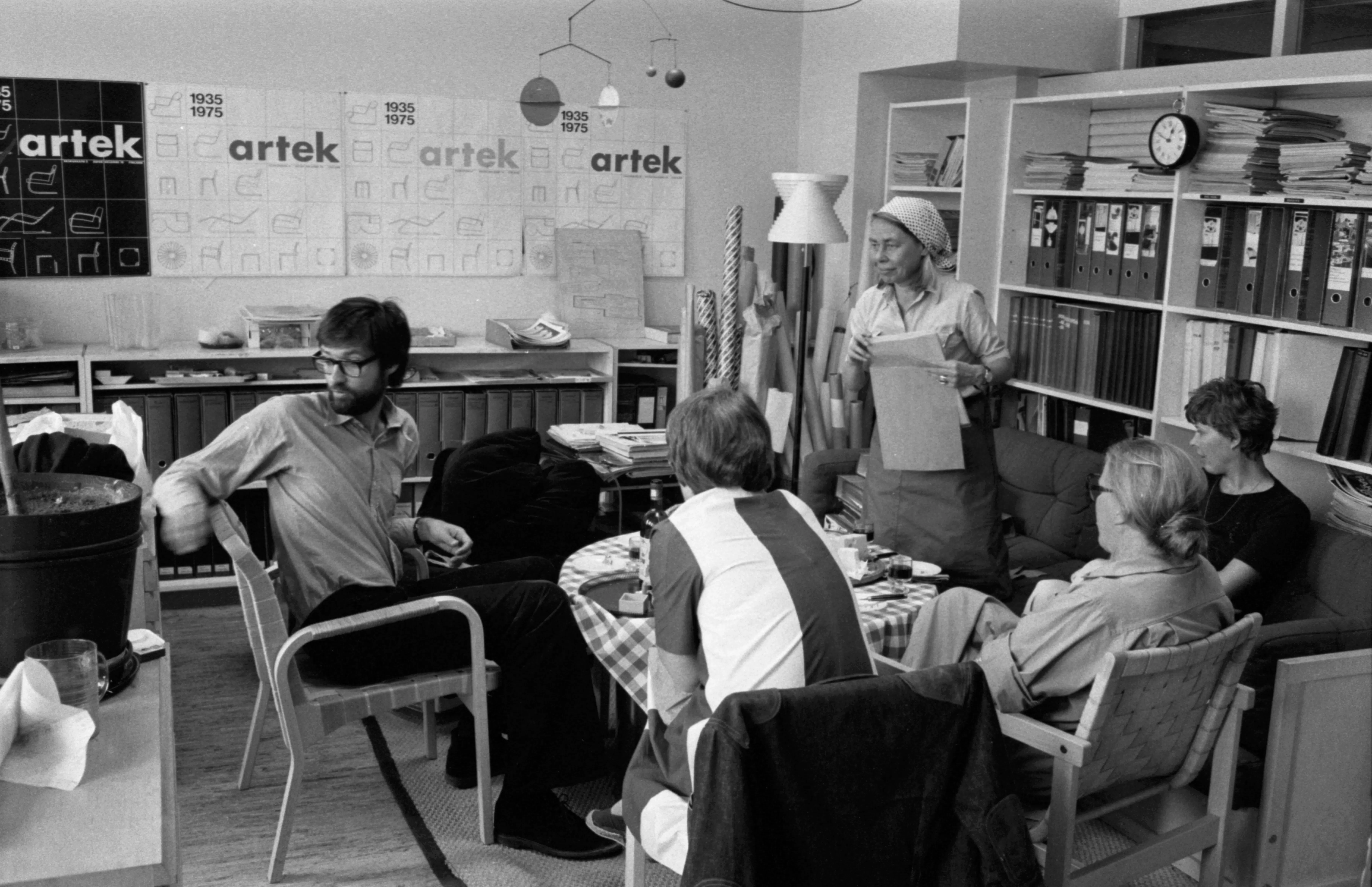
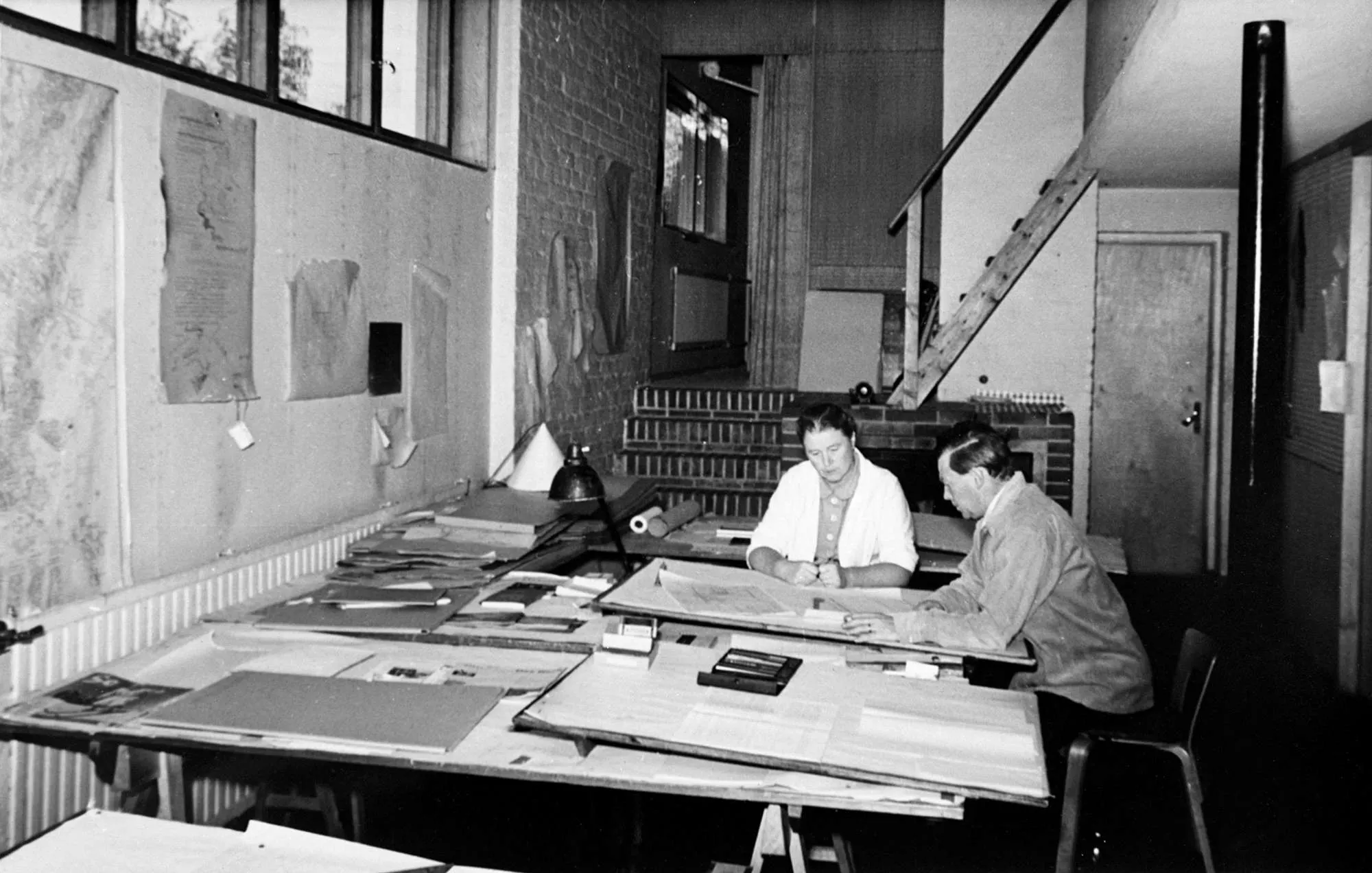
Founded by Aino and Alvar Aalto, Artek occupies the difficult position of the canonical design company: it must remain historically legible without becoming a museum with a checkout page.
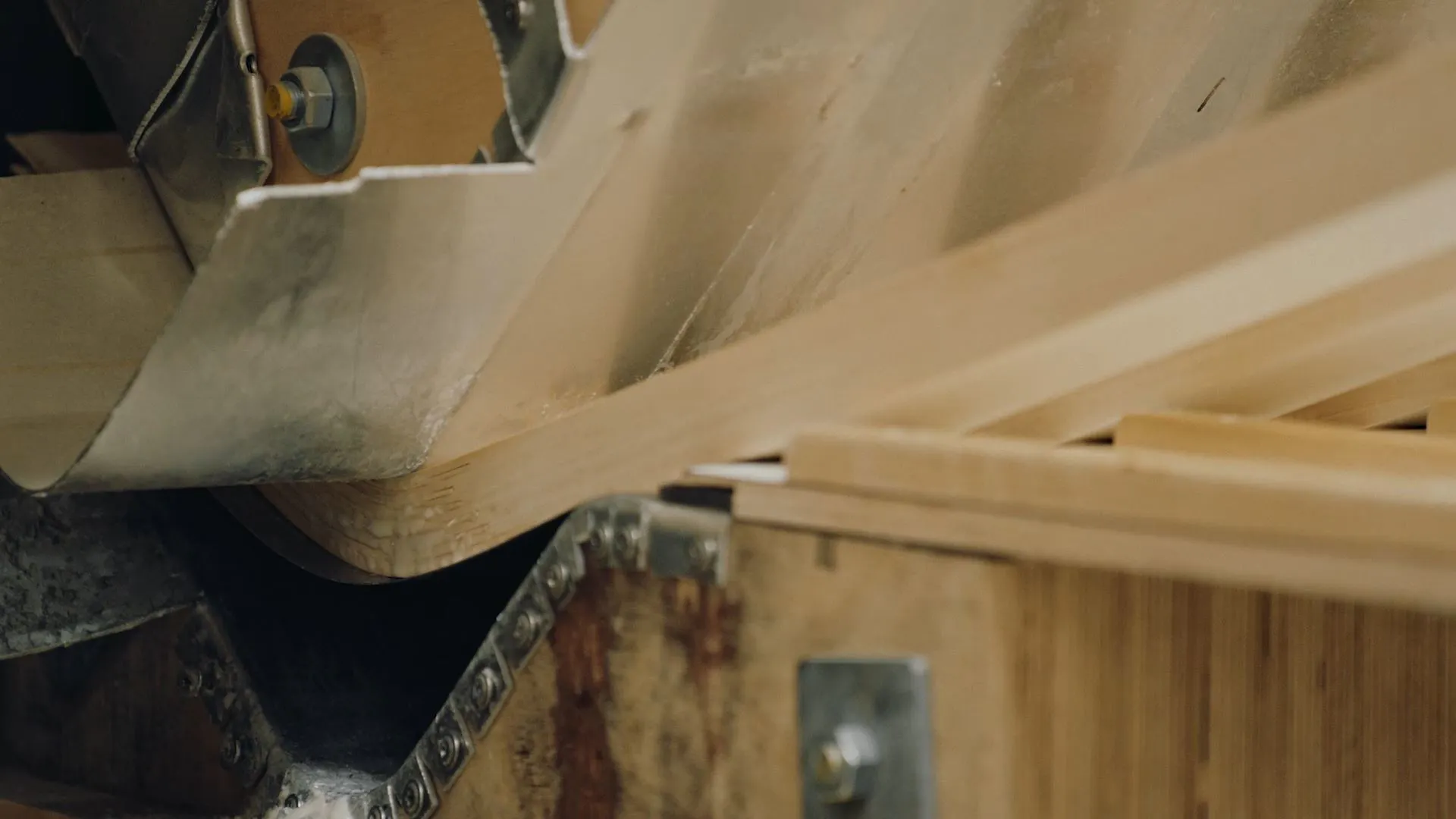
Birch supplies a material line of continuity. In Aalto furniture, it serves not merely as a familiar surface or structural component, but as a marker of jurisdiction. Even a normal object enters a room under the authority of a wider system: Finnish design, modern furniture, the Aaltos, and the archive.
Canons are built through this sequence. Repetition produces recognition; recognition accumulates legitimacy.
The Archive
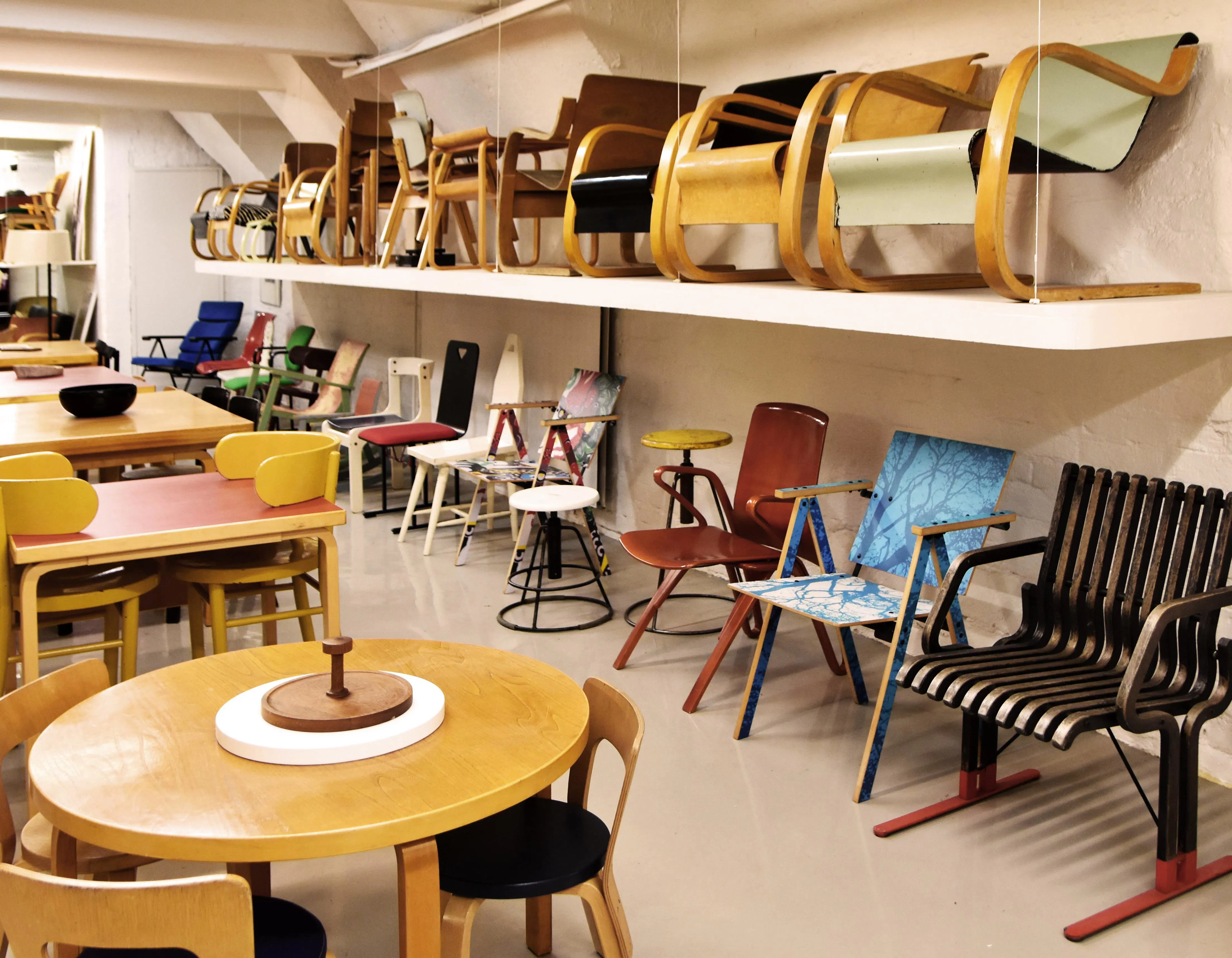
Artek’s archive remains embedded in the company’s contemporary commercial machinery; it does not occupy some protected territory beyond the market.
This arrangement makes heritage and production difficult to separate. The archive supplies historical continuity, but that continuity depends on current objects, classifications, and transactions. History remains accessible because people continue to manufacture the designs, assign them names and categories, photograph them, distribute them, and sell them.
The result exceeds preservation without amounting to a straightforward revival. Artek’s historical authority seems to function as infrastructure: a durable system of forms, materials, names, and associations that supports new commercial activity while retaining its archival legitimacy.
Canonical status requires maintenance.
Environment
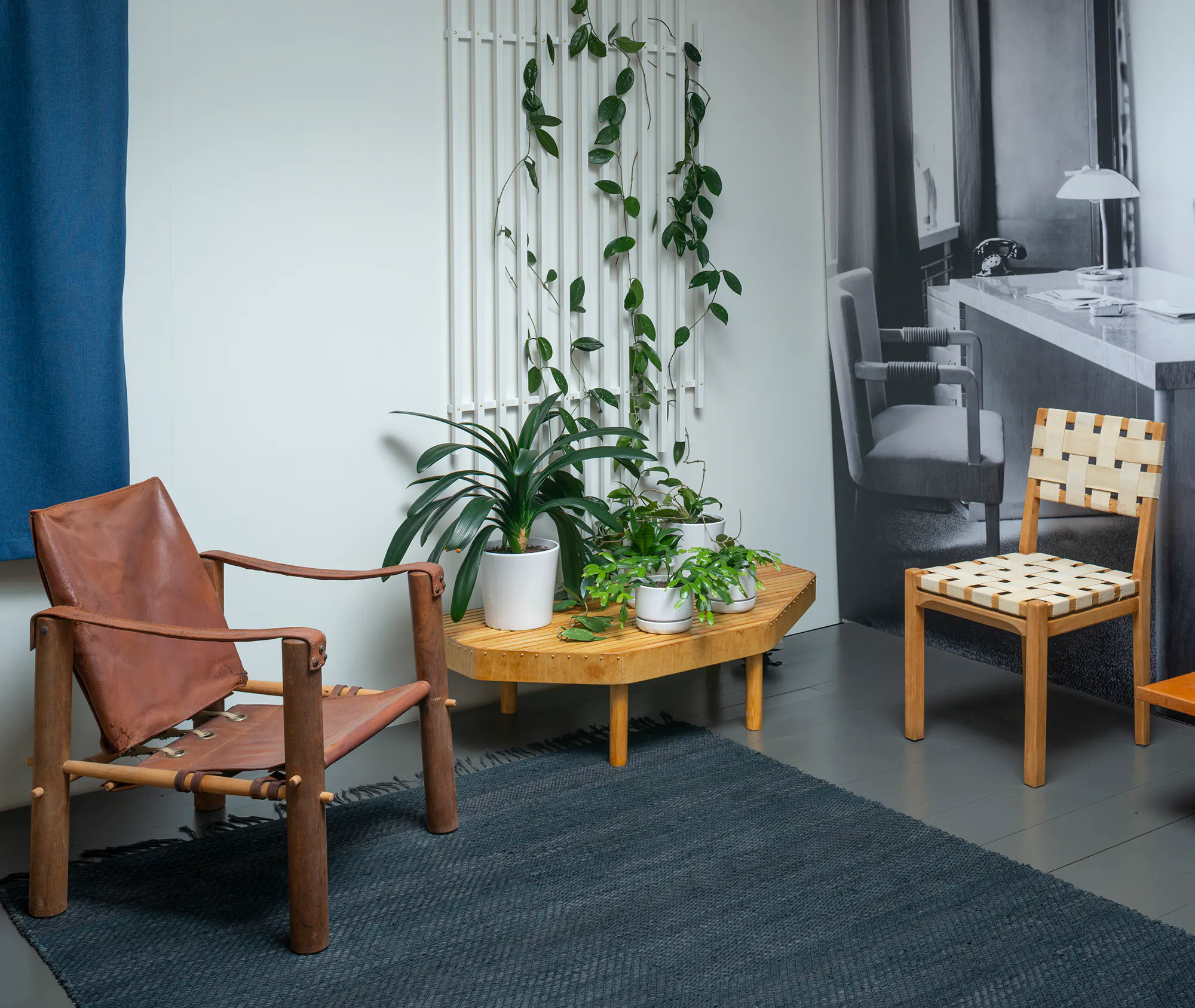
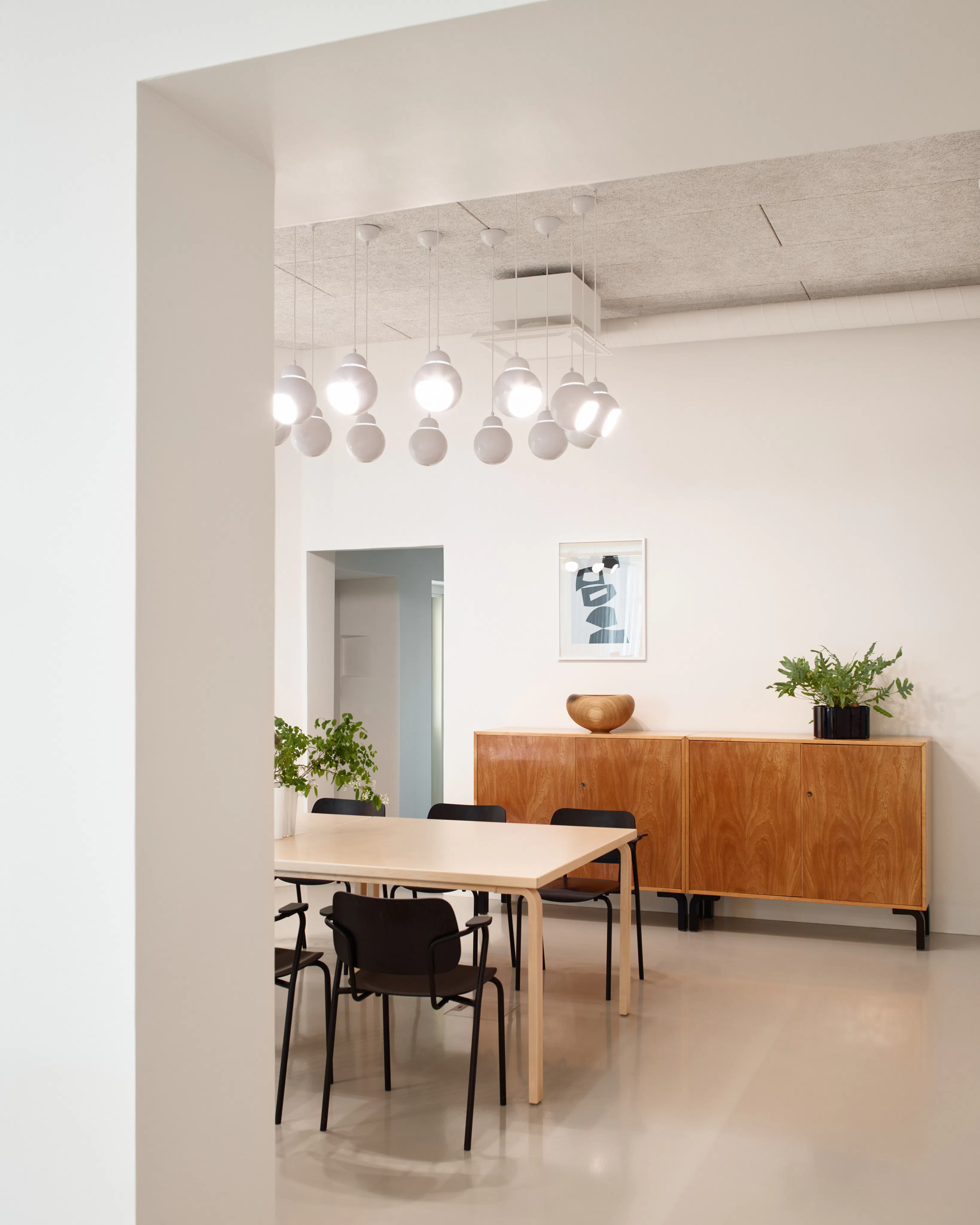
Artek’s catalogue extends beyond furniture to lighting, textiles, and accessories. This range changes the scale of the offer: the company is no longer presenting isolated objects, but the components of a coordinated interior.
A chair can articulate a design position. A chair combined with lamps, fabrics, and accessories can regulate the character of a room.
Total design therefore operates as both a historical principle and a commercial structure. Each product category carries the same identity into another area of domestic life, enabling Artek to supply not only the contents of a room but also the conditions of its coherence. The customer acquires access to a system in which separate objects are designed to agree.
That agreement produces authority. The objects can remain normal because their influence comes from coordination. Together, they imply that material, light, texture, and use have already been reconciled by the same design administration—even when the individual pieces originated decades apart.
Canonical Maintenance
Artek’s authority rests on a managed tension. Its history must appear settled enough to confer legitimacy, yet open enough to keep generating a contemporary collection.
The archive provides weight; capitalism keeps the objects in circulation. Total design presents both operations as parts of one continuous practice.
Continuity may therefore be Artek’s most significant product. Furniture deteriorates, textiles are replaced, lamps migrate, and accessories gather the modest record of daily use. Yet every replacement and addition can be presented as a new expression of the same historical intelligence.
A canon is easier to keep alive once it has an organizational chart.